Dental implants are often described as a permanent tooth replacement solution, but “permanent” can mean different things depending on who you ask. Here’s a realistic look at implant longevity.
What the Research Shows
Studies on dental implants generally report high long-term success rates. According to the National Institute of Dental and Craniofacial Research, implants are considered one of the most durable options for replacing missing teeth, with many patients keeping their implants for decades when properly cared for.
The Implant vs. the Crown on Top
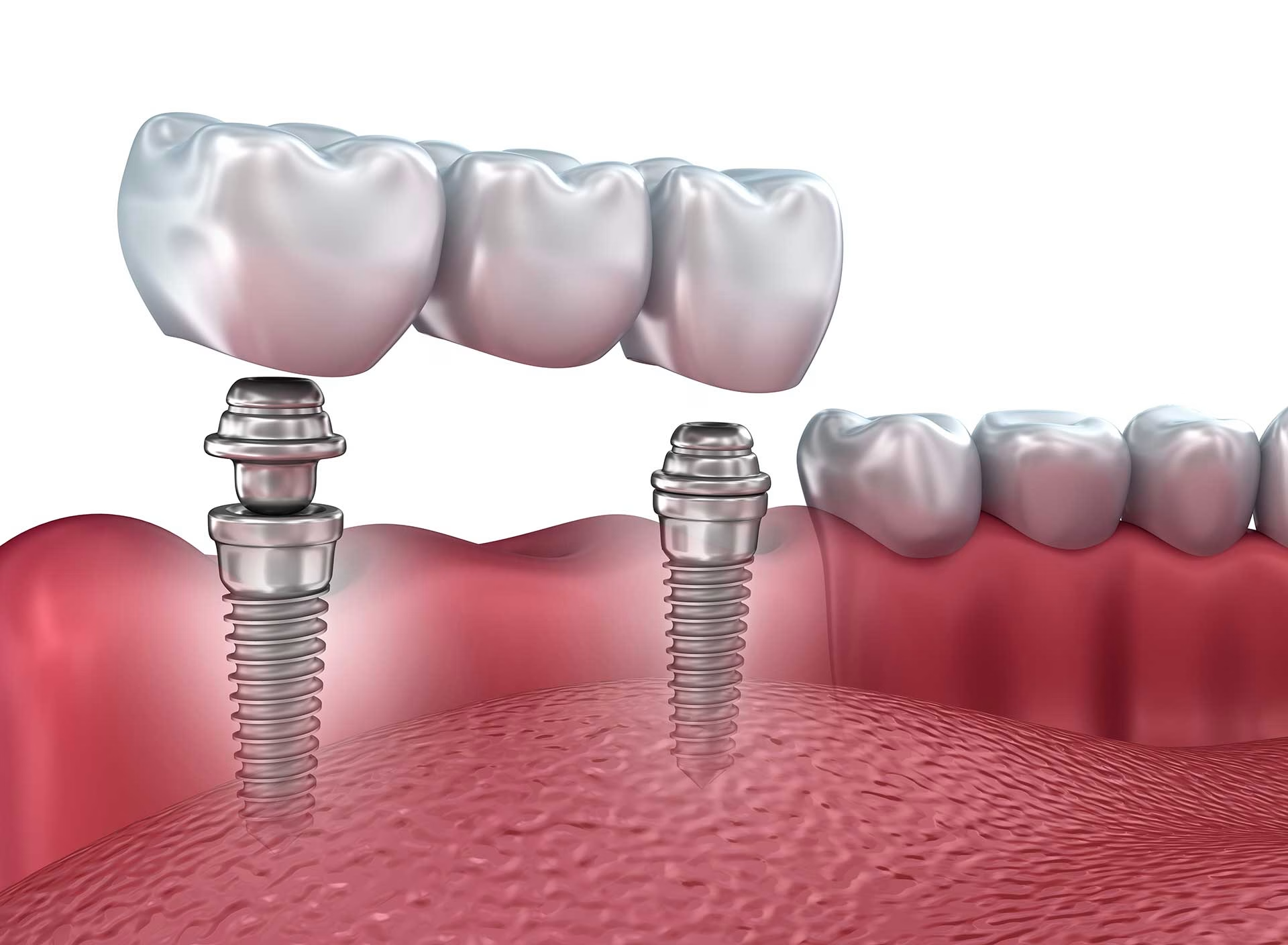
It’s worth understanding that a dental implant actually has two parts: the titanium or zirconia post that integrates with your jawbone, and the crown attached on top. The post itself often lasts a lifetime, while the crown, like any restoration, may need replacement after 10 to 15 years due to normal wear.
What Affects Implant Longevity
Oral hygiene plays a major role. Just like natural teeth, implants can develop a condition called peri-implantitis, an infection of the tissue around the implant, if plaque isn’t properly managed. Smoking, uncontrolled diabetes, and grinding your teeth can also shorten an implant’s lifespan.
The Role of Bone Health
Successful, long-lasting implants depend on adequate jawbone density to support them. This is one reason dental teams use imaging, like a CT scan, to evaluate bone health before placement and plan for the best possible long-term outcome.
Getting the Most Out of Your Implant
Brushing and flossing around your implant just as you would a natural tooth, along with regular checkups, are the most effective ways to protect your investment long term.
Considering an Implant?
At EZ Dental Clinic, we place metal-free zirconia implants and use our platelet-rich fibrin (PRF) technique to support healthy healing from day one. Visit our dental implants page to learn more, or call (425) 746-6090 to schedule a consultation.