Tooth pain can feel the same no matter the cause, which makes it hard to tell whether you’re dealing with a cavity, a crack, or something else entirely. Understanding the difference can help you know what to expect from treatment.
How Cavities Develop
A cavity forms gradually, as bacteria produce acid that slowly breaks down tooth enamel over time. According to the Centers for Disease Control and Prevention, untreated tooth decay remains one of the most common chronic conditions in both children and adults, largely because early stages often go unnoticed.
How Cracks Happen
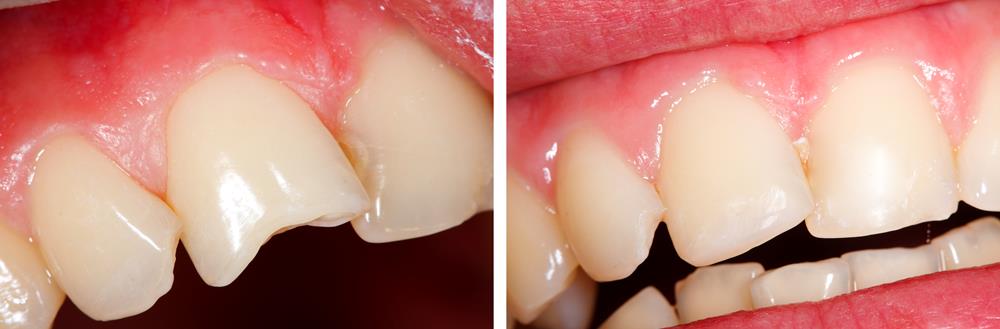
Cracks, on the other hand, are usually sudden, caused by biting down on something hard, an injury, or chronic teeth grinding that gradually weakens a tooth until it fractures. Unlike decay, a crack doesn’t spread the way bacteria do, but it can worsen over time if left untreated.
Symptom Differences
Cavities often cause a dull ache or sensitivity to sweets that builds gradually, while cracked teeth tend to cause sharp pain specifically when biting down or releasing pressure, sometimes with no pain at all between bites.
Diagnosis Can Be Tricky
Cracks aren’t always visible to the naked eye and don’t always show up clearly on X-rays, which is why a thorough clinical exam, sometimes including special dyes or bite tests, is often needed to confirm a crack.
Treatment Differences
Cavities are typically treated with a filling, or a crown for more extensive decay. Cracked teeth may need bonding for minor cases, or a crown or root canal if the crack has reached the inner pulp.
When to Get Checked
If you’re experiencing new tooth pain, whether it feels like a dull ache or a sharp jolt when chewing, it’s worth having it evaluated before it worsens. Visit our cracked tooth page to learn more, or call (425) 746-6090 to schedule a visit with EZ Dental Clinic.